
Tim Mondavi's net worth is estimated in the range of $50 million to $150 million as of 2026, based on publicly documented equity history, real estate holdings, and the ongoing value of Continuum Estate, the premium Napa Valley wine business he co-founded with his sister Marcia after the 2004 sale of the Robert Mondavi Corporation. That range is wide on purpose: the core assets are privately held, so any single number you see on a net worth aggregator should be treated as an informed estimate, not a verified figure.
Tim Mondavi Net Worth: Evidence-Based Range and How to Verify

Marcus Holloway
13 Apr 2026

Who Tim Mondavi is (and why people search his wealth)

Timothy J. Mondavi (the middle initial matters for identity verification, as discussed below) is the younger son of wine industry pioneer Robert Mondavi. He spent roughly three decades inside the Robert Mondavi Corporation, rising to vice chairman and winegrower before stepping down in 2004 around the time his brother Michael resigned. According to Forbes coverage from that period, Tim remained attached to the company as a consultant and board member after stepping down from day-to-day operations, meaning his financial relationship with the company didn't end cleanly at one moment. Wine Spectator, in its "Mondavi at the Crossroads" coverage, identified Tim as 52 at the time and described him as the youngest sibling overseeing winemaking, which helps anchor his identity in contemporary reporting.
After the sale, Tim and Marcia Mondavi focused their energy on Continuum Estate, a single-estate wine project on Pritchard Hill in the Vaca Mountains above Napa Valley. The project aims to produce what the family describes as a "first growth of Napa Valley." In 2008, Tim, Marcia, and their father began purchasing a 172-acre vineyard to anchor the estate. That land purchase, the ongoing wine brand, and Tim's prior equity in Robert Mondavi Corp. are the three pillars behind any serious net worth estimate. The Washington Post archive also referenced Tim Mondavi as overseeing Mondavi's European projects during his executive tenure, which illustrates the breadth of responsibility (and compensation) attached to that role.
People search Tim Mondavi's wealth for a few different reasons: curiosity about the Mondavi family fortune after the high-profile 2004 acquisition of Robert Mondavi Corp. by Constellation Brands, interest in the premium wine industry's economics, and sometimes simple confusion with other people who share parts of the name (more on that at the end of this article).
What "net worth" actually means here
Net worth is total assets minus total liabilities. For a public company executive, you can sometimes calculate this fairly precisely using SEC filings, disclosed salaries, and observable stock prices. For a private business owner like Tim Mondavi today, you're working with far less data. Estimators rely on: (1) historical equity documentation from when Robert Mondavi Corp. was publicly traded, (2) the implied value of Continuum Estate based on comparable winery transactions and brand positioning, (3) observable real estate records, and (4) any ongoing compensation disclosures. The result is always a range, not a point estimate, and it should be treated as such.
One important caution: net worth estimates do not account for leverage. The Los Angeles Times reported, citing an SEC filing, that Michael and Tim Mondavi had approximately $65 million in stock pledged as collateral on personal loans during the Mondavi Corp. era. That kind of debt load can significantly reduce actual net worth relative to gross asset value. When a net worth figure omits liabilities, it overstates wealth. Always ask whether a published figure is gross assets or net of debt.
The estimate range, how it's changed, and what moves it

The most useful way to frame Tim Mondavi's net worth is across three rough periods. During the Robert Mondavi Corp. era (pre-2004), SEC proxy materials show that Timothy J. Mondavi held Class B stock in a company that, according to proxy language, had a fully diluted equity value of approximately $970 million at the time of the Constellation Brands acquisition. Family ownership was substantial, though voting power had shifted from roughly 85% controlling interest to less than 40% through restructuring. The actual dollars Tim received from the sale would depend on his specific share count and any pledged collateral obligations, which is why the $65 million collateral figure is relevant as a downward adjustment. A reasonable rough estimate of Tim's proceeds from that era: somewhere in the $50 to $100 million range, before taxes and debt repayment.
Post-2004 through roughly 2015, Tim and Marcia invested heavily in building Continuum Estate. Forbes noted that tens of millions of dollars were spent planting the vineyard managed by the family, and the 172-acre estate acquisition beginning in 2008 represents a significant capital outlay. Net worth during this period likely compressed as capital was redeployed into a long-horizon asset. By 2026, Continuum is an established ultra-premium Napa brand. Comparable estate wineries of this tier (single estate, Pritchard Hill appellation, cult allocation model) have sold or been valued at well above $50 million in recent transactions, and some significantly higher depending on brand strength and land value.
The factors most likely to move the estimate up or down today include: any sale or partial sale of Continuum Estate or its land, changes in Napa Valley real estate values (which have been volatile since 2020), the brand's revenue trajectory, any new business ventures by Tim or his sons Carlo and Dante (who run their own wine label, Raen), and whether any debt associated with estate development has been retired.
Where the money likely comes from
Tim Mondavi's income streams today are most plausibly: distributions or salary from Continuum Estate operations, land appreciation on the Pritchard Hill vineyard, any residual consultant or board compensation from post-acquisition arrangements, and potentially speaking or media appearances tied to his family legacy in wine. During his Robert Mondavi Corp. tenure, he would have received executive compensation including salary, bonus, and equity, all of which are documented in proxy filings. After 2004, the income picture is private and harder to pin down.
- Continuum Estate operating income: the winery produces a single high-end red blend sold through an allocation model, with bottles typically retailing above $200. Production volumes at this tier are intentionally limited, so revenue is concentrated but not enormous in raw volume terms.
- Real estate appreciation: the 172-acre Pritchard Hill vineyard has appreciated alongside the broader Napa ultra-premium land market. Pritchard Hill parcels are among the most valuable vineyard land in the United States.
- Post-acquisition consulting and board role: Forbes documented that Tim retained a consulting and board member role at Robert Mondavi Corp. after stepping down, implying ongoing cash compensation for a defined period.
- Historical equity proceeds: the Constellation Brands acquisition generated cash and stock consideration for Mondavi family shareholders, the clearest documented source of significant capital formation for Tim.
Assets and holdings worth examining
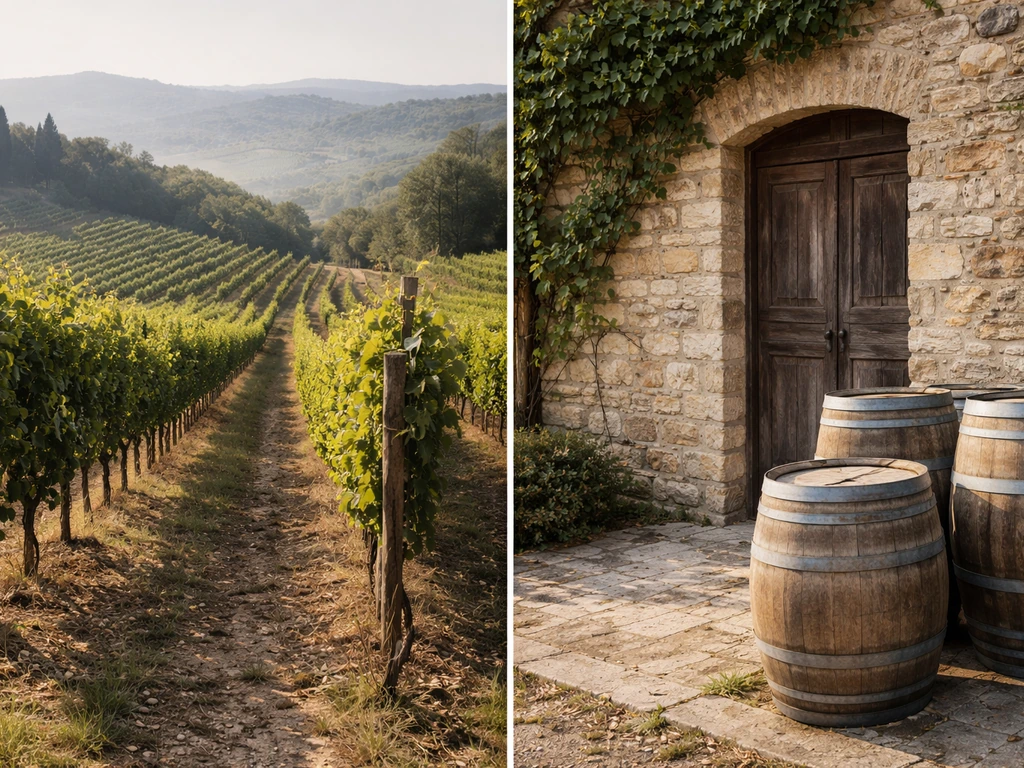
For anyone doing serious research on Tim Mondavi's net worth, the most productive places to look are: the Continuum Estate business itself, the Pritchard Hill vineyard land, and personal real estate. A Homes.com property record lists "Mondavi Timothy John" as associated with a Napa property with ownership beginning around August 2009, which gives you a starting point to pull county assessor records and deed history. That kind of public record lookup is more reliable than any net worth aggregator.
On the business side, Continuum Estate is privately held, so there's no public valuation. To estimate it, researchers typically look at comparable winery sales in the Napa Valley ultra-premium segment, apply revenue multiples common to lifestyle/luxury brands, and adjust for land value separately. The 172-acre estate is the anchor. Napa vineyard land on Pritchard Hill has traded at prices ranging from $200,000 to over $500,000 per planted acre in recent years, which gives a rough land value floor even before the brand premium.
The SEC EDGAR archive remains one of the best primary sources for the historical equity picture. The 2004 proxy materials include beneficial ownership disclosures for Timothy J. Mondavi, specifying Class B stock holdings and the broader ownership structure of Mondavi family entities. This is primary source material and far more reliable than secondary aggregator estimates.
How to verify (or challenge) what you read
Most net worth sites publish a single number without a methodology page. Here's a practical verification sequence you can run yourself:
- Check SEC EDGAR for historical filings under "Robert Mondavi Corporation" or "Mondavi." The proxy documents, especially the 2004 materials around the Constellation acquisition, contain beneficial ownership tables with Timothy J. Mondavi's share counts. Calculate share value using the acquisition price per share.
- Pull Napa County Assessor records for properties associated with Timothy John Mondavi or Continuum Estate LLC. This gives you assessed value (which often lags market value) and ownership confirmation.
- Search California Secretary of State business filings for Continuum Estate and related LLCs to identify registered agents and confirm Tim's formal role in the entity structure.
- Cross-reference the Continuum Estate website's own biography materials (they host a Timothy J. Mondavi bio PDF) to confirm identity and role before attributing any figure to the right person.
- Check the publication date of any net worth estimate you find. The 2004 Constellation acquisition and the post-2008 estate development are the two biggest value events, and estimates that ignore either are likely outdated.
- For any figure you see cited on a net worth aggregator, look for the primary source it claims to be based on. If none is cited, treat the number as a guess.
One specific scam pattern to avoid: sites that claim to offer "Tim Mondavi's contact" or "investment opportunities" affiliated with the Mondavi name. The family brand is well-known enough to attract impersonators. Always verify through the official Continuum Estate website or documented business records before engaging with any outreach claiming Mondavi affiliation.
Putting the estimate in context
| Factor | Detail | Net Worth Impact |
|---|---|---|
| Constellation acquisition proceeds (2004) | Class B stock in company valued ~$970M fully diluted; family's share was significant but reduced by restructuring and pledged collateral | Major positive, partially offset by ~$65M in pledged loan collateral |
| Continuum Estate value (2026) | 172-acre Pritchard Hill estate; ultra-premium single wine brand; private company | Estimated $50M–$100M+ depending on comparables |
| Personal real estate (Napa) | Confirmed ownership via public records since ~2009 | Additive, magnitude depends on specific parcel |
| Ongoing income | Winery distributions, potential consulting/board fees | Maintains and grows base; not a large annual income driver at this tier |
| Debt and liabilities | Historical loan collateral documented; current leverage unknown | Potentially significant downward adjustment |
Common confusion and related searches
The name "Mondavi" generates a lot of search traffic across several different people and contexts, and misattribution is genuinely common. The most important distinction: Timothy J. Mondavi (Continuum Estate, son of Robert) is not the same as the broader Robert Mondavi brand, which is now owned by Constellation Brands and has its own separate financial story. If you've run into articles about agribusiness conglomerate wealth and wound up here, you may want to check out Monsanto's net worth profile for a different angle on large agricultural industry valuations.
Tim Mondavi's sons, Carlo and Dante, run Raen, their own wine label, and sometimes appear in searches related to "Mondavi" wine. Their financial profile is separate from Tim's. Separately, searches for Larry Mondello's net worth occasionally surface alongside Mondavi results due to name similarity in search algorithms, but Mondello is an entirely different individual with no connection to the Mondavi wine family.
Some readers searching this topic are actually trying to understand the economics of the premium wine and food production business more broadly. If that's your angle, the mustard producer net worth profile is an interesting comparison case for how specialty food and beverage entrepreneurs build wealth through brand equity and land holdings rather than volume scale. And if you're interested in other entrepreneurs who built wealth through niche high-margin businesses, the profile of Jonathan Moneymaker's net worth offers another data point on how private business ownership complicates wealth estimation.
The bottom line on Tim Mondavi's net worth
The most defensible estimate for Tim Mondavi's net worth as of April 2026 is $50 million to $150 million, with the midpoint somewhere around $80 to $100 million. The lower bound reflects a conservative view of Continuum Estate's private market value and adjusts for historical debt obligations. The upper bound reflects strong Napa Valley real estate appreciation, a premium brand with cult-level positioning, and the historical equity proceeds from the Constellation acquisition. The number could be higher if Continuum Estate has grown significantly in revenue and brand value in recent years, which is plausible but unverifiable without private financials. If you want the most current and accurate picture, the SEC EDGAR archive for historical context and Napa County public records for current assets are your two most reliable starting points.
FAQ
Why do net worth sites give a single number when your article suggests a range for tim mondavi net worth?
Most sites present a point estimate by picking one assumed valuation for Continuum Estate and then ignoring uncertainty. For private companies, that means they effectively choose a multiplier and discount rate without disclosing assumptions. A range stays honest because small changes in brand valuation or land pricing can swing the result by tens of millions.
How can I tell if an estimate is overstating tim mondavi net worth by counting gross assets instead of net assets?
Look for whether the figure explains debts, pledged collateral, or refinancing. The article notes collateral on personal loans during the Mondavi Corp. era, so if a site does not discuss liabilities at all, treat its number as likely inflated. A quick check is whether the methodology mentions mortgages, pledged shares, or other secured debt.
What is the fastest way to verify Tim Mondavi’s real estate ownership mentioned in the article?
Use the property association name from the record (Timothy John Mondavi) to pull Napa County assessor and deed history, then confirm matching middle initial and address. Public records will show transfer dates and current ownership, which you can translate into an estimated equity value by pairing assessed or market values with any visible lien or mortgage indicators.
Does the article’s estimate assume Continuum Estate will be sold, or is it valuing it as a going concern?
It values Continuum using an implied private-market approach, which effectively reflects a hypothetical exit or comparable transaction pricing, not audited financial statements. If Continuum is not near an exit, the “net worth” view should be treated as valuation of underlying equity value, which can diverge from what an owner could realize quickly.
How should I interpret changes in Napa vineyard prices when estimating tim mondavi net worth?
Use vineyard price data as a land floor, but not the whole valuation. Planting stage, varietal mix, water rights, and lease versus fee simple ownership can move the land value materially. The article focuses on per-acre ranges, so for better accuracy, prioritize parcels specifically tied to the 172-acre anchor and confirm whether they are fully owned.
Can tim mondavi net worth estimates be updated after major events like a vintage boom or recession?
Yes, but net worth updates should be gradual unless there is a concrete transaction (sale, partial sale, major refinancing, or explicit buyout). A better signal than vintage performance is disclosed revenue trends that would support a higher valuation multiple, or public evidence of debt retirement or collateral release.
What would cause tim mondavi net worth to move sharply higher or lower within the $50 million to $150 million band?
The biggest swing factors are (1) land revaluation from actual sales nearby, (2) any change in ownership structure or sale of equity in Continuum, and (3) whether development debt was retired or refinanced at higher or lower rates. Brand value can shift too, but without transactions it is usually harder to verify.
How do I avoid confusing Tim Mondavi with other people who show up in “Mondavi” search results?
Verify identity using the middle initial, his link to Continuum Estate, and the generational context (son of Robert Mondavi). The article highlights that “Mondavi” also refers to the Robert Mondavi brand now owned by Constellation Brands, which has a separate wealth story.
Is Tim Mondavi’s income after 2004 likely captured in a way I can verify?
Often only partially. Since Continuum Estate is private, there is typically no comprehensive public pay disclosure like SEC executive compensation tables. A practical approach is to look for public evidence of payments tied to board roles, consulting, or property-related disclosures, then treat any salary or distributions claims as unconfirmed unless documented.
Could the “contact” or “investment opportunity” scams affect my research or decisions?
Yes. The article flags impersonation patterns that offer “Tim Mondavi contact” or investments using the Mondavi name. Don’t send money or share personal data based on such claims, and only verify communications through documented Continuum Estate business records or official channels you can independently confirm.